
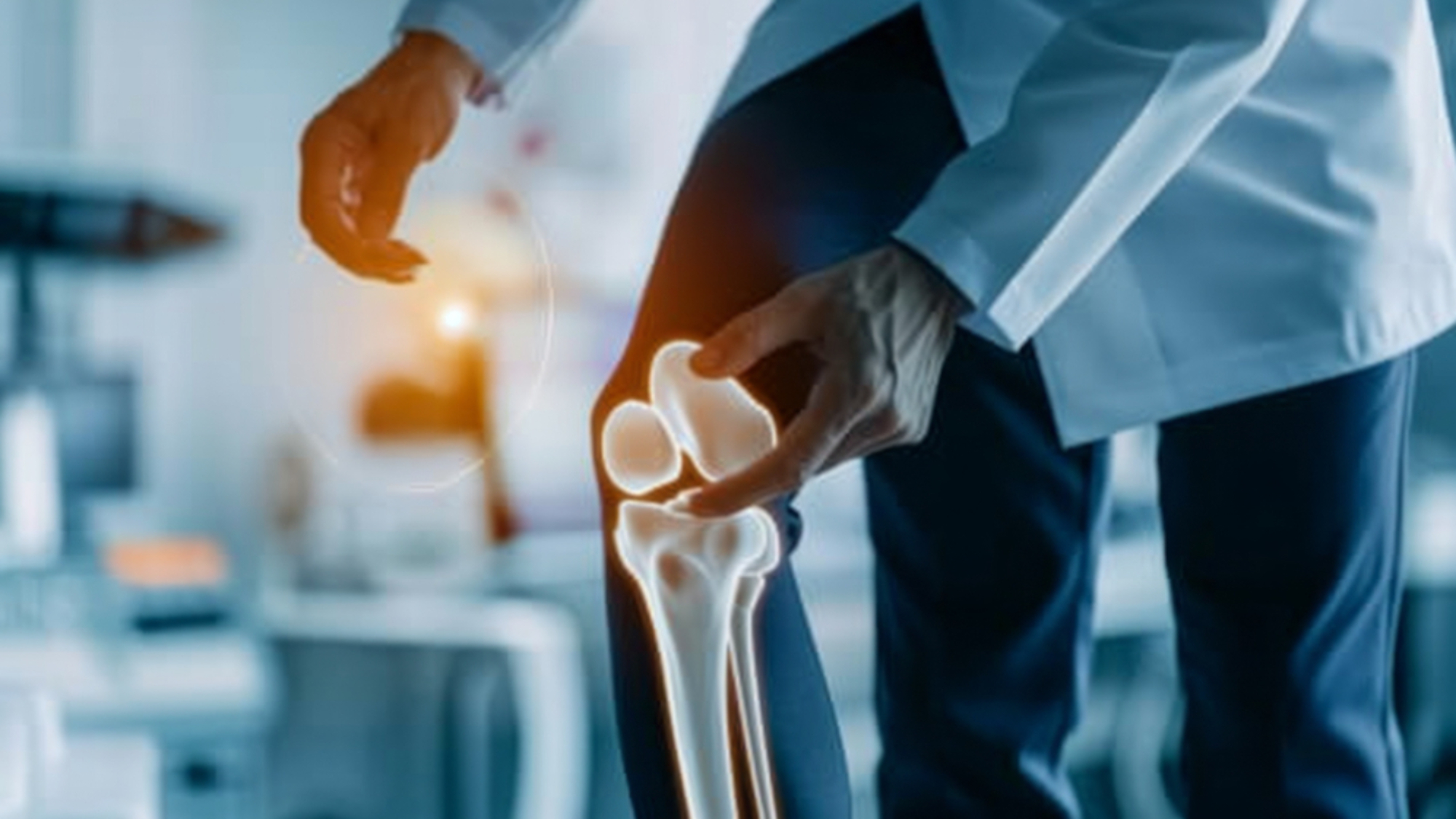
Orthopedic surgeries have traditionally been associated with large incisions, prolonged recovery times, and significant post-operative pain. However, with advancements in medical technology, minimally invasive orthopedic surgeries have gained popularity for their ability to provide patients with quicker recovery, reduced pain, and improved overall outcomes. Minimally invasive techniques involve smaller incisions and specialized tools, leading to fewer complications and a faster return to daily activities.
In this blog, we will explore the top five benefits of minimally invasive orthopedic surgeries, highlighting how these procedures are transforming the field of orthopedics and improving patient care.
1. Faster Recovery and Shorter Hospital Stays
One of the most significant advantages of minimally invasive orthopedic surgeries is the reduced recovery time. Traditional orthopedic procedures often require large incisions that can take weeks or even months to heal. On the other hand, minimally invasive surgeries use small incisions (usually no more than a few centimeters) and specialized tools that allow surgeons to perform procedures with greater precision. As a result, the trauma to the surrounding tissues is minimized, leading to a quicker recovery.
Patients who undergo minimally invasive surgeries typically experience a shorter hospital stay compared to traditional procedures. While traditional surgeries may require patients to stay in the hospital for several days or even weeks, minimally invasive surgeries often allow patients to return home within a day or two, depending on the procedure. This shorter hospital stay reduces the risk of hospital-acquired infections and allows patients to resume normal activities much faster.
The faster recovery times associated with minimally invasive procedures can also reduce the overall cost of surgery. With less time spent in the hospital and a quicker return to work or other activities, patients can experience fewer disruptions to their daily lives, making it a more efficient solution for both individuals and healthcare systems.
2. Reduced Pain and Less Trauma to Surrounding Tissues
Pain is one of the most common concerns for patients undergoing orthopedic surgery. With traditional procedures, large incisions often result in significant tissue trauma, which can lead to severe pain and a longer recovery period. In contrast, minimally invasive surgeries involve smaller incisions, which cause less damage to the surrounding muscles, ligaments, and other tissues. This leads to a significant reduction in post-operative pain.
The smaller incisions used in minimally invasive surgeries also mean that there is less disruption to the body’s natural healing process. The less trauma to the tissues, the less inflammation and swelling the body experiences. As a result, patients undergoing minimally invasive procedures often report feeling less pain and requiring fewer pain medications post-surgery. In many cases, patients can manage pain with over-the-counter medications or even avoid strong painkillers altogether.
Additionally, patients who experience less pain are more likely to engage in early physical therapy and rehabilitation, which can accelerate their recovery and restore mobility more effectively.
3. Lower Risk of Complications and Infections
In any surgical procedure, there is a risk of complications such as infection, blood clots, or damage to nearby structures. Traditional surgeries, with their larger incisions, create a greater opportunity for bacteria to enter the body and cause infections. The increased exposure of internal tissues during traditional surgeries can also increase the risk of complications, such as nerve damage or excessive blood loss.
Minimally invasive surgeries, however, reduce the risk of complications due to the smaller incisions. The reduced exposure of internal tissues and organs means that there is less chance of infection or other complications. Additionally, the use of advanced imaging techniques, such as arthroscopy or fluoroscopy, allows surgeons to perform procedures with greater precision, reducing the risk of accidental injury to surrounding structures like blood vessels, nerves, and muscles.
Because minimally invasive procedures are less traumatic to the body, patients are also at a lower risk of developing blood clots, which are more common in traditional surgeries. This further contributes to the overall safety of the procedure, providing peace of mind for both patients and surgeons.
4. Enhanced Cosmetic Results
In addition to the functional benefits of minimally invasive orthopedic surgeries, these procedures often provide better cosmetic results. Traditional surgeries, especially those involving joints such as the knee or hip, often require large incisions that leave visible scars. These scars can be unsightly and may take a long time to heal, affecting the patient’s appearance and overall satisfaction with the procedure.
Minimally invasive surgeries, on the other hand, use smaller incisions that are less noticeable. Surgeons can perform procedures through small, discrete incisions, often in hidden areas of the body, such as within natural skin folds or near the joint line. These smaller incisions result in minimal scarring and offer a more aesthetically pleasing outcome.
For many patients, the cosmetic benefits of minimally invasive procedures are an important factor in their decision-making process. They want to not only recover function but also avoid visible scars that may impact their self-esteem. With minimally invasive techniques, patients can often enjoy functional recovery without compromising their appearance.
5. Improved Long-Term Outcomes and Quality of Life
The ultimate goal of any orthopedic surgery is to restore function and improve the patient’s quality of life. Minimally invasive surgeries are designed to achieve this goal with better long-term results. Because these procedures involve less tissue damage, there is less risk of complications during recovery, such as joint stiffness, muscle weakness, or post-operative infections. As a result, patients often experience better outcomes in terms of pain relief, mobility, and overall function.
Patients who undergo minimally invasive surgeries typically recover faster and can begin physical therapy and rehabilitation sooner. This allows them to regain strength and mobility more quickly, improving their long-term quality of life. Whether it’s returning to work, participating in sports, or engaging in everyday activities, patients who have minimally invasive procedures often experience a smoother, quicker transition back to their normal lives.
Additionally, studies have shown that minimally invasive procedures result in better overall functional outcomes compared to traditional surgery. Because of the reduced trauma to surrounding tissues, patients often experience better joint function, muscle strength, and flexibility in the long term. This leads to greater overall satisfaction with the procedure and a higher likelihood of a successful recovery.
Conclusion
Minimally invasive orthopedic surgeries offer numerous advantages over traditional methods, including faster recovery times, reduced pain, lower risk of complications, enhanced cosmetic results, and improved long-term outcomes. These benefits make minimally invasive surgeries an excellent option for patients seeking effective, safe, and efficient orthopedic care. As medical technology continues to evolve, the scope and effectiveness of minimally invasive techniques are only expected to expand, providing patients with even more options for achieving optimal recovery and improving their quality of life. Whether for joint replacement, ligament repair, or other orthopedic conditions, minimally invasive surgeries are revolutionizing the field of orthopedics, offering patients a more comfortable and effective path to recovery.

Add a Comment