
53154

Preventing Common Sports Injuries: Tips for Athletes of All Ages

Sports and physical activities are an integral part of a healthy lifestyle. They not only keep us physically fit but also enhance mental well-being, build discipline, and provide a sense of community. However, along with the enjoyment and health benefits of sports comes the risk of injury. Whether you are a professional athlete or someone who enjoys playing sports recreationally, injuries are an unfortunate possibility. The good news is that many common sports injuries can be prevented with the right approach.

In this article, we will discuss the most common sports injuries and provide essential tips and strategies to prevent them. Whether you are a young athlete just starting or an older individual looking to stay active, these prevention techniques are relevant for athletes of all ages.

1. Understanding Common Sports Injuries

Before diving into injury prevention techniques, it is essential to understand the most common types of sports injuries. Knowing what they are and how they occur can help you take steps to prevent them.

Sprains and Strains

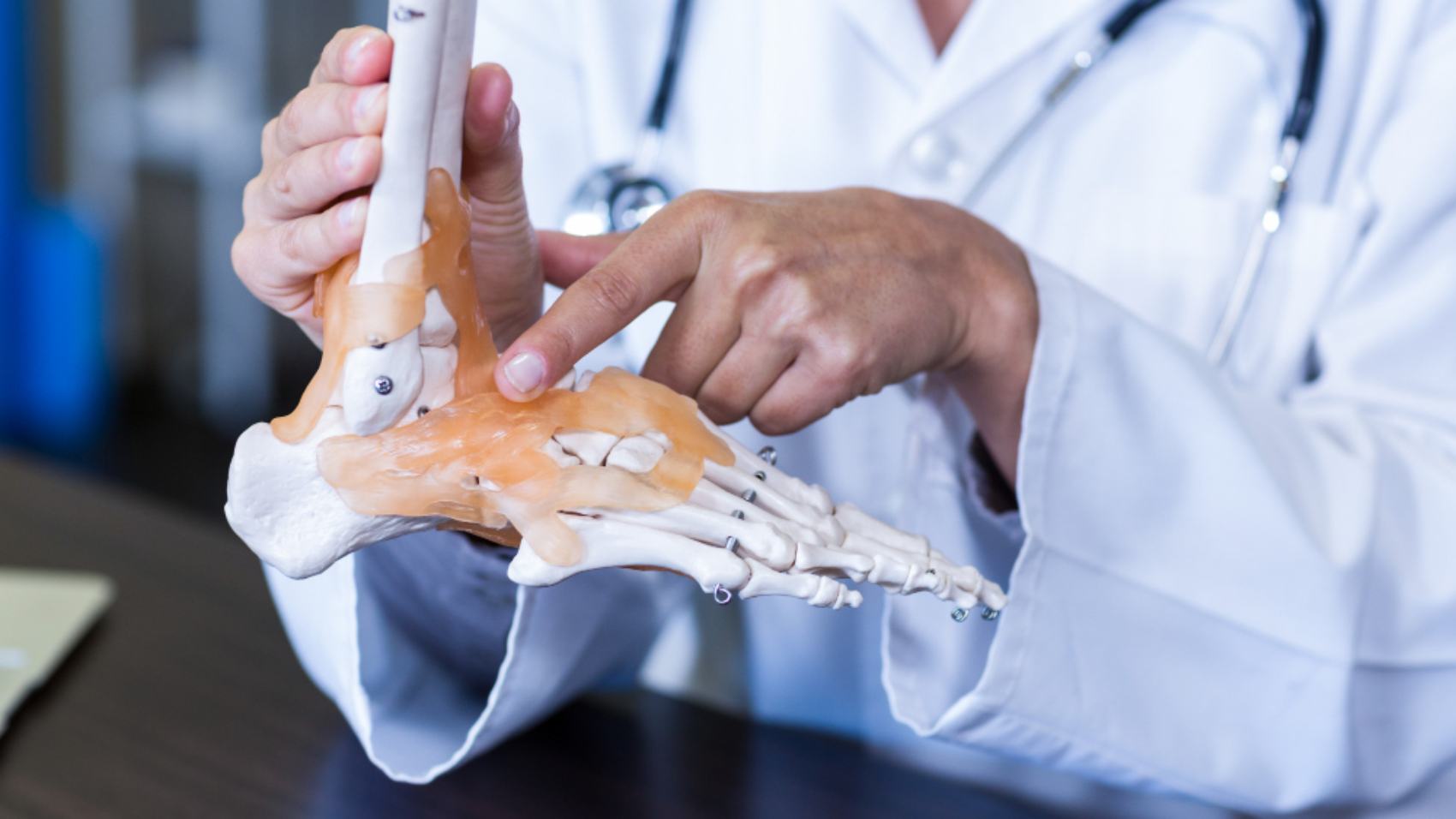
Sprains and strains are among the most frequent sports injuries. A sprain is the stretching or tearing of a ligament (the tissue connecting bones), while a strain involves injury to a muscle or tendon (the tissue that connects muscles to bones). These injuries often occur from sudden twists, falls, or overexertion during physical activity.

  • Sprains: Sprains typically occur in the ankles, knees, and wrists, especially when an athlete lands awkwardly or during rapid directional changes.
  • Strains: Strains often affect the hamstrings, lower back, and shoulders, and are common in sports that require running, jumping, or lifting.

Fractures

A fracture is a break in the bone, typically caused by high-impact trauma, falls, or overuse. These are common in contact sports like football, rugby, and hockey. Stress fractures, which occur from repetitive force or pressure, are also common in running, basketball, and gymnastics.

Tendinitis

Tendinitis is the inflammation of a tendon, usually caused by repetitive motion. It most commonly affects the shoulder, elbow (tennis elbow), and knee. Tendinitis is prevalent in sports that involve repetitive overhead motions, such as swimming, tennis, and baseball.

Dislocations

A dislocation occurs when a bone is forced out of its normal position in a joint. It commonly happens in sports like soccer, basketball, or wrestling, where players engage in physical contact or sudden movements that can force the joint to move out of place.

Concussions

A concussion is a mild traumatic brain injury that occurs when there is a blow to the head. Concussions are particularly common in contact sports like football, hockey, soccer, and boxing. Although many concussions are not life-threatening, they can cause long-term cognitive issues if not treated properly.

Knee Injuries

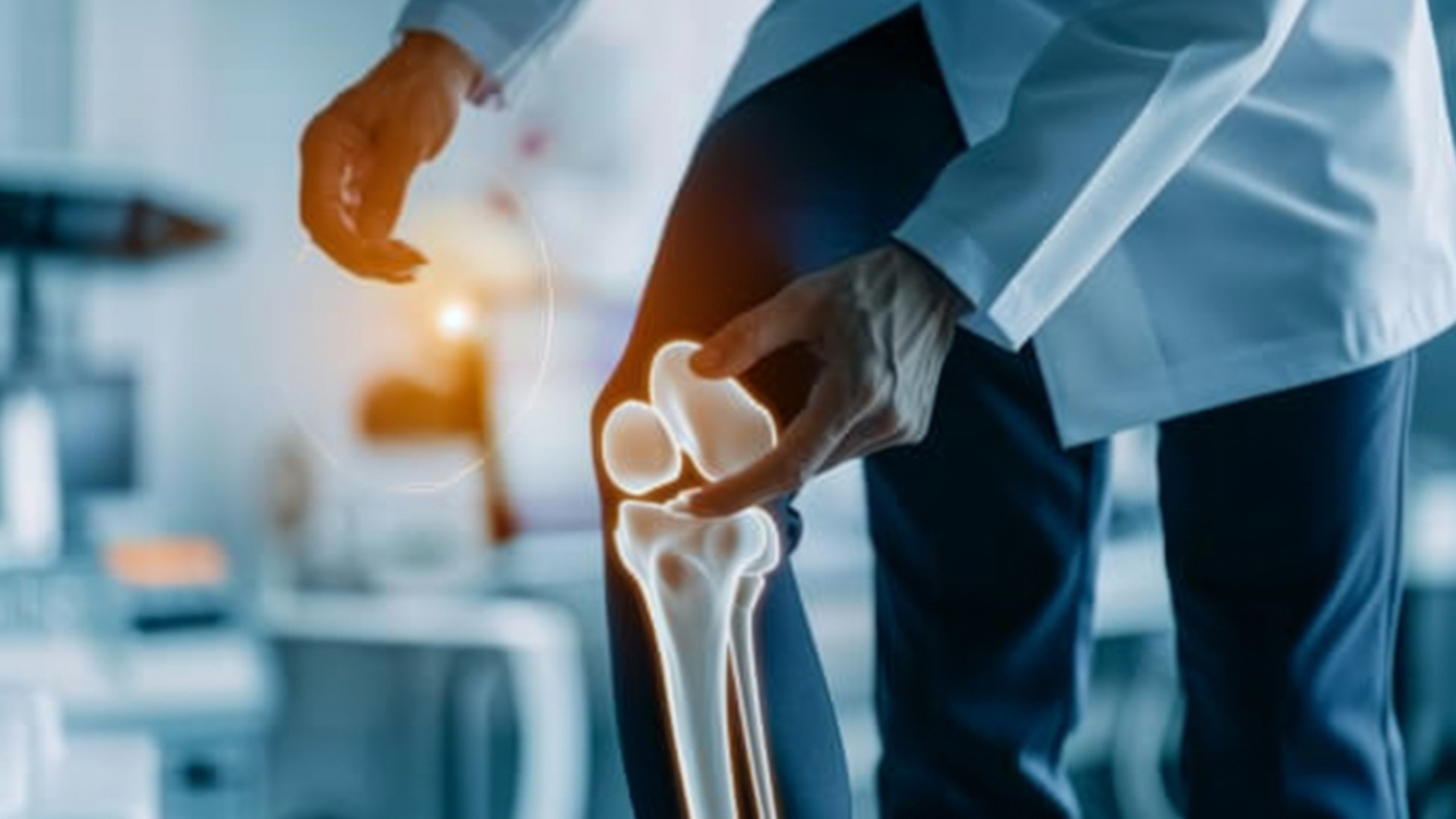
Knee injuries are frequent in sports that involve running, jumping, or pivoting. These injuries may include ligament tears (such as ACL or MCL tears) or cartilage damage, and they can result in long recovery times. Athletes in sports like basketball, football, soccer, and skiing are especially susceptible to knee injuries.

2. Tips to Prevent Sports Injuries

Fortunately, many sports injuries can be prevented with proper preparation, technique, and safety precautions. Here are several effective strategies to reduce the risk of injury:

1. Warm Up and Cool Down Properly

A good warm-up and cool-down routine is essential in preventing injuries. Warming up prepares the muscles and joints for the physical demands of exercise, increasing flexibility and reducing stiffness.

Warm-Up: A proper warm-up should last at least 5 to 10 minutes and should include dynamic stretches and light aerobic exercises to increase heart rate and muscle temperature. Some effective warm-up exercises include:

  • Leg swings
  • Arm circles
  • Lunges
  • Butt kicks

These exercises help improve flexibility and activate key muscle groups, reducing the likelihood of strains and sprains.

Cool-Down: Cooling down is just as important as warming up. After your workout or game, take 5 to 10 minutes to gradually reduce your heart rate and stretch your muscles. This helps reduce muscle soreness and increases flexibility. Static stretches, such as hamstring stretches, quadriceps stretches, and calf stretches, are highly beneficial during the cool-down phase.

2. Use Proper Equipment

Wearing the correct gear is critical in protecting yourself during sports. Whether it’s a helmet, knee pads, or proper footwear, having the right equipment can significantly reduce the risk of injury.

  • Helmets: Wear a helmet when participating in contact sports like football, hockey, or cycling to protect your head from concussions and skull fractures.
  • Knee and Elbow Pads: These are especially important for high-impact or contact sports like skateboarding, rollerblading, and soccer.
  • Proper Footwear: Wear shoes that are appropriate for your specific sport. Running shoes, cleats, or specialized footwear provide the necessary support and cushioning for your feet, ankles, and knees.
  • Braces and Supports: If you have a history of joint injuries or are recovering from a previous injury, wearing a brace or support can help stabilize the affected area and prevent further damage.

3. Stay Hydrated and Nourished

Dehydration and poor nutrition can significantly impair athletic performance and increase the risk of injury. Staying hydrated helps prevent muscle cramps, overheating, and fatigue, while a balanced diet supports muscle recovery and joint health.

  • Drink water before, during, and after exercise to stay hydrated.
  • Consume a well-rounded diet rich in lean proteins, whole grains, fruits, and vegetables. Ensure adequate intake of calcium and vitamin D to support bone health.

4. Strengthen Muscles and Improve Flexibility

One of the best ways to prevent sports injuries is by strengthening the muscles that support your joints and improving flexibility. Strength training helps to balance the muscles around a joint, preventing undue strain on ligaments and tendons.

  • Strength training: Incorporate strength training exercises into your fitness routine to build muscle strength in key areas like the legs, core, and upper body. This can improve your performance and stability during sports.
  • Flexibility exercises: Regular stretching, yoga, and Pilates can improve flexibility, which helps reduce muscle tension and prevent strains.

5. Practice Proper Technique

Using proper technique is essential for preventing sports injuries. Incorrect form can put unnecessary stress on your muscles, joints, and ligaments, increasing the likelihood of injury.

  • Work with a coach or trainer to ensure that you are performing exercises and movements correctly.
  • Practice good posture and alignment during activities, especially in sports that require repetitive motions, such as swimming, running, or tennis.

6. Take Rest and Recovery Seriously

Overtraining can lead to exhaustion, fatigue, and an increased risk of injury. It’s essential to listen to your body and give yourself time to rest and recover between intense activities.

  • Get plenty of sleep each night to allow your muscles to recover and repair.
  • Incorporate rest days into your routine, especially if you’re doing intense physical activities or playing contact sports.

7. Know Your Limits

Every athlete has physical limits, and pushing past them can result in injury. Know when to stop, whether it’s during a game, a workout, or a training session. Overexertion can lead to muscle strains, ligament tears, and even fractures.

  • Don’t push yourself too hard, especially when you’re feeling fatigued.
  • If you’re returning to sports after an injury, gradually increase the intensity of your workouts to avoid re-injury.

8. Stay Physically Fit

Maintaining a good overall level of physical fitness is a key factor in preventing injuries. When you’re physically fit, your body is better able to handle the demands of your sport.

  • Regular aerobic exercise improves cardiovascular health, which supports endurance during sports.
  • Strength training improves muscle strength and endurance.
  • Flexibility exercises, like yoga, improve your range of motion and reduce muscle tightness.

3. When Injuries Do Occur: Injury Management and Recovery

While prevention strategies can significantly reduce the risk of injury, it’s important to understand that no method is foolproof. If an injury does occur, knowing how to manage it effectively can make a big difference in your recovery.

Rest and Ice

For minor injuries such as sprains or strains, applying ice to the affected area for 15-20 minutes every 1-2 hours during the first 48 hours can help reduce swelling and pain. It’s also important to rest the injured area to prevent further damage.

Compression and Elevation

Compression wraps and elevation can also help manage swelling. Compression wraps should not be too tight, as they could impair blood circulation, but they can help reduce inflammation. Elevating the injured area helps fluids drain away from the injury site.

See a Doctor

If the injury is severe, such as a fracture, dislocation, or suspected ligament tear, it is important to seek medical attention promptly. A healthcare professional can assess the injury, provide proper treatment, and guide you on rehabilitation.

Physical Therapy

Once the initial injury has healed, physical therapy may be necessary to regain full function. Physical therapists can guide you through exercises to rebuild strength, improve mobility, and prevent re-injury.

Conclusion

Sports injuries are an unfortunate part of any athletic activity, but they don’t have to be inevitable. By taking proactive steps to warm up properly, use the right equipment, strengthen muscles, practice good technique, and listen to your body, you can significantly reduce your risk of injury. In addition, if an injury does occur, proper management and recovery techniques, including rest, ice, compression, and physical therapy, can help you recover quickly and get back to enjoying your sport.

No matter your age or level of experience, adopting injury prevention strategies will allow you to remain active, healthy, and injury-free, helping you enjoy sports for years to come.

6251 (1)

Understanding Joint Replacement: What to Expect Before, During, and After Surgery

Joint replacement surgery, particularly for the hip, knee, and shoulder, has become one of the most common orthopedic procedures performed today. The advancements in surgical techniques and implant technology have made joint replacement surgery a highly effective solution for patients suffering from severe joint pain, limited mobility, and reduced quality of life due to joint arthritis, fractures, or other joint-related conditions. If you’re considering joint replacement surgery or have been advised by your orthopedic surgeon to undergo the procedure, it’s important to understand the process in detail.

In this article, we will guide you through what to expect before, during, and after joint replacement surgery to help you prepare mentally and physically for the procedure.

1. Before Joint Replacement Surgery

Before undergoing joint replacement surgery, it’s essential to prepare for the procedure physically, mentally, and emotionally. Proper preparation can help ensure a smoother surgery and a quicker recovery.

Pre-Surgery Consultation and Assessment

Your journey toward joint replacement surgery begins with a consultation with your orthopedic surgeon. During this visit, your surgeon will assess your overall health, review your medical history, and determine whether you are a suitable candidate for joint replacement. The surgeon will also evaluate the degree of damage to your joint and may use X-rays, MRIs, or other imaging techniques to assess the condition of the joint.

At this stage, your surgeon will discuss the potential benefits and risks of the surgery, as well as the expected outcomes. It’s important to openly discuss your medical history, including any chronic conditions like diabetes, heart disease, or obesity, as these can impact your surgery and recovery.

Preparing Your Body for Surgery

Leading up to the surgery, your surgeon may ask you to make certain lifestyle changes to improve your health and reduce risks. This might include:

  • Weight Management: If you are overweight or obese, losing weight before surgery can reduce stress on the joint and improve your chances of a successful outcome.
  • Physical Therapy: Some surgeons may recommend pre-surgery physical therapy to strengthen the muscles around the affected joint, which can aid in recovery.
  • Medications: You may be asked to stop taking certain medications (such as blood thinners) prior to surgery to reduce the risk of complications. Your surgeon will provide you with specific instructions on when to stop taking these medications.
  • Preoperative Testing: Blood tests, electrocardiograms (EKGs), and other tests may be performed to evaluate your overall health and ensure you’re in the best possible condition for surgery.

Mental and Emotional Preparation

Undergoing surgery can be a source of anxiety for many patients. It’s important to be mentally prepared for the changes you will experience before, during, and after surgery. Make sure to have a support system in place, whether it’s family, friends, or a counselor, who can provide encouragement and help you navigate the process. Educating yourself about the procedure and recovery expectations can also help alleviate fears.

Arranging Post-Surgery Care

One crucial aspect of pre-surgery preparation is arranging for help after surgery. Joint replacement patients typically require assistance for daily activities, especially in the first few weeks following the procedure. This could include assistance with household tasks, transportation, or personal care. It’s a good idea to have a caregiver or family member ready to help during your recovery period.

2. During Joint Replacement Surgery

Joint replacement surgery is typically performed under general or regional anesthesia, meaning you’ll either be asleep or numbed from the waist down during the procedure. The exact process can vary depending on the type of joint being replaced (e.g., hip, knee, shoulder), but the general steps are as follows:

Anesthesia and Pain Management

Prior to the surgery, your anesthesiologist will discuss the type of anesthesia that will be used, whether it’s general anesthesia (where you will be completely asleep) or regional anesthesia (where the area to be operated on is numbed). You will be closely monitored throughout the surgery to ensure your comfort and safety.

Surgical Procedure

In a typical joint replacement surgery, the damaged or arthritic joint is removed, and a prosthetic joint (usually made from metal, plastic, or ceramic) is implanted. The surgeon will make an incision near the joint, and in the case of minimally invasive surgery, the incision is smaller, which leads to less tissue damage and a faster recovery.

The procedure generally involves the following steps:

  • Removing the damaged joint: The surgeon removes the cartilage and bone that are worn or damaged, exposing the joint’s underlying structures.
  • Preparing the bones: The remaining bone surfaces are prepared to receive the artificial joint. This may involve smoothing and reshaping the bones to ensure a proper fit for the prosthesis.
  • Inserting the prosthesis: The artificial joint, made from high-grade materials like titanium or polyethylene, is inserted and secured into place.
  • Testing the new joint: The surgeon will test the joint’s movement and alignment to ensure that it is functioning properly before closing the incision.

Duration of Surgery

The duration of joint replacement surgery can vary, but it generally takes between one and two hours. More complex surgeries, such as total hip or knee replacements, may take longer. However, joint replacement surgeries are typically performed in a hospital or surgical center, and most patients are able to go home after a short recovery period.

3. After Joint Replacement Surgery

Following the surgery, your care and recovery plan will begin. The post-surgery phase is a critical time, and your recovery will depend largely on following your surgeon’s instructions and actively engaging in rehabilitation.

Immediate Post-Operative Care

After your surgery, you will be moved to a recovery room where your vital signs (heart rate, blood pressure, etc.) will be monitored closely. Once the anesthesia wears off, you may feel some pain, but the surgical team will work to manage it through medication.

Your healthcare team will also monitor for any potential complications, such as infection or blood clots. You may be given antibiotics to prevent infection and blood thinners to reduce the risk of clots.

Hospital Stay

In most cases, patients stay in the hospital for one to three days following joint replacement surgery. During this time, the medical team will focus on managing pain, monitoring your recovery, and ensuring that you’re able to move safely. You may be encouraged to start moving your new joint early (usually within 24 hours after surgery) to prevent stiffness and improve circulation.

Physical therapy typically begins during your hospital stay. A physical therapist will work with you to help you regain strength and mobility in the joint. They may guide you through gentle exercises to improve the range of motion and teach you techniques for walking, standing, and sitting properly with the new joint.

Home Care and Rehabilitation

Once discharged from the hospital, you will continue your recovery at home. Your doctor will provide you with specific guidelines for post-surgery care, including:

  • Pain Management: You’ll be prescribed pain medications, and you should follow your doctor’s instructions for taking them.
  • Physical Therapy: Ongoing physical therapy will be a vital part of your recovery. Therapy helps you strengthen the muscles surrounding the joint, improve flexibility, and restore function. Therapy typically continues for several weeks after surgery.
  • Movement and Exercise: Gradual, gentle movement is essential for recovery. Avoid strenuous activities, but make sure to follow the prescribed exercise program to prevent stiffness and encourage healing.

Long-Term Recovery

Most patients can return to their normal daily activities within a few weeks to a few months, depending on the type of joint replaced and individual health factors. Full recovery may take six months to a year, and physical therapy may continue for several months. You may need to avoid high-impact activities such as running or jumping for a period after surgery, but low-impact exercises like walking, swimming, and biking are encouraged.

Expected Outcomes

Joint replacement surgery offers significant benefits, including pain relief, improved mobility, and enhanced quality of life. While every patient’s experience is different, most people experience a significant reduction in joint pain and a marked improvement in their ability to move and perform daily activities.

Conclusion

Joint replacement surgery can be life-changing for those suffering from joint pain and immobility. By understanding the process—from the pre-surgery consultation to post-operative recovery—you can prepare yourself for a smoother experience and more successful outcome. Working closely with your surgeon, physical therapists, and support system, you can regain mobility, reduce pain, and improve your overall quality of life. With modern surgical techniques and advances in joint replacement technology, the road to recovery has never been easier.

19023

Top 5 Benefits of Minimally Invasive Orthopedic Surgeries

Orthopedic surgeries have traditionally been associated with large incisions, prolonged recovery times, and significant post-operative pain. However, with advancements in medical technology, minimally invasive orthopedic surgeries have gained popularity for their ability to provide patients with quicker recovery, reduced pain, and improved overall outcomes. Minimally invasive techniques involve smaller incisions and specialized tools, leading to fewer complications and a faster return to daily activities.

In this blog, we will explore the top five benefits of minimally invasive orthopedic surgeries, highlighting how these procedures are transforming the field of orthopedics and improving patient care.

1. Faster Recovery and Shorter Hospital Stays

One of the most significant advantages of minimally invasive orthopedic surgeries is the reduced recovery time. Traditional orthopedic procedures often require large incisions that can take weeks or even months to heal. On the other hand, minimally invasive surgeries use small incisions (usually no more than a few centimeters) and specialized tools that allow surgeons to perform procedures with greater precision. As a result, the trauma to the surrounding tissues is minimized, leading to a quicker recovery.

Patients who undergo minimally invasive surgeries typically experience a shorter hospital stay compared to traditional procedures. While traditional surgeries may require patients to stay in the hospital for several days or even weeks, minimally invasive surgeries often allow patients to return home within a day or two, depending on the procedure. This shorter hospital stay reduces the risk of hospital-acquired infections and allows patients to resume normal activities much faster.

The faster recovery times associated with minimally invasive procedures can also reduce the overall cost of surgery. With less time spent in the hospital and a quicker return to work or other activities, patients can experience fewer disruptions to their daily lives, making it a more efficient solution for both individuals and healthcare systems.

2. Reduced Pain and Less Trauma to Surrounding Tissues

Pain is one of the most common concerns for patients undergoing orthopedic surgery. With traditional procedures, large incisions often result in significant tissue trauma, which can lead to severe pain and a longer recovery period. In contrast, minimally invasive surgeries involve smaller incisions, which cause less damage to the surrounding muscles, ligaments, and other tissues. This leads to a significant reduction in post-operative pain.

The smaller incisions used in minimally invasive surgeries also mean that there is less disruption to the body’s natural healing process. The less trauma to the tissues, the less inflammation and swelling the body experiences. As a result, patients undergoing minimally invasive procedures often report feeling less pain and requiring fewer pain medications post-surgery. In many cases, patients can manage pain with over-the-counter medications or even avoid strong painkillers altogether.

Additionally, patients who experience less pain are more likely to engage in early physical therapy and rehabilitation, which can accelerate their recovery and restore mobility more effectively.

3. Lower Risk of Complications and Infections

In any surgical procedure, there is a risk of complications such as infection, blood clots, or damage to nearby structures. Traditional surgeries, with their larger incisions, create a greater opportunity for bacteria to enter the body and cause infections. The increased exposure of internal tissues during traditional surgeries can also increase the risk of complications, such as nerve damage or excessive blood loss.

Minimally invasive surgeries, however, reduce the risk of complications due to the smaller incisions. The reduced exposure of internal tissues and organs means that there is less chance of infection or other complications. Additionally, the use of advanced imaging techniques, such as arthroscopy or fluoroscopy, allows surgeons to perform procedures with greater precision, reducing the risk of accidental injury to surrounding structures like blood vessels, nerves, and muscles.

Because minimally invasive procedures are less traumatic to the body, patients are also at a lower risk of developing blood clots, which are more common in traditional surgeries. This further contributes to the overall safety of the procedure, providing peace of mind for both patients and surgeons.

4. Enhanced Cosmetic Results

In addition to the functional benefits of minimally invasive orthopedic surgeries, these procedures often provide better cosmetic results. Traditional surgeries, especially those involving joints such as the knee or hip, often require large incisions that leave visible scars. These scars can be unsightly and may take a long time to heal, affecting the patient’s appearance and overall satisfaction with the procedure.

Minimally invasive surgeries, on the other hand, use smaller incisions that are less noticeable. Surgeons can perform procedures through small, discrete incisions, often in hidden areas of the body, such as within natural skin folds or near the joint line. These smaller incisions result in minimal scarring and offer a more aesthetically pleasing outcome.

For many patients, the cosmetic benefits of minimally invasive procedures are an important factor in their decision-making process. They want to not only recover function but also avoid visible scars that may impact their self-esteem. With minimally invasive techniques, patients can often enjoy functional recovery without compromising their appearance.

5. Improved Long-Term Outcomes and Quality of Life

The ultimate goal of any orthopedic surgery is to restore function and improve the patient’s quality of life. Minimally invasive surgeries are designed to achieve this goal with better long-term results. Because these procedures involve less tissue damage, there is less risk of complications during recovery, such as joint stiffness, muscle weakness, or post-operative infections. As a result, patients often experience better outcomes in terms of pain relief, mobility, and overall function.

Patients who undergo minimally invasive surgeries typically recover faster and can begin physical therapy and rehabilitation sooner. This allows them to regain strength and mobility more quickly, improving their long-term quality of life. Whether it’s returning to work, participating in sports, or engaging in everyday activities, patients who have minimally invasive procedures often experience a smoother, quicker transition back to their normal lives.

Additionally, studies have shown that minimally invasive procedures result in better overall functional outcomes compared to traditional surgery. Because of the reduced trauma to surrounding tissues, patients often experience better joint function, muscle strength, and flexibility in the long term. This leads to greater overall satisfaction with the procedure and a higher likelihood of a successful recovery.

Conclusion

Minimally invasive orthopedic surgeries offer numerous advantages over traditional methods, including faster recovery times, reduced pain, lower risk of complications, enhanced cosmetic results, and improved long-term outcomes. These benefits make minimally invasive surgeries an excellent option for patients seeking effective, safe, and efficient orthopedic care. As medical technology continues to evolve, the scope and effectiveness of minimally invasive techniques are only expected to expand, providing patients with even more options for achieving optimal recovery and improving their quality of life. Whether for joint replacement, ligament repair, or other orthopedic conditions, minimally invasive surgeries are revolutionizing the field of orthopedics, offering patients a more comfortable and effective path to recovery.