
Sports and physical activities are an integral part of a healthy lifestyle. They not only keep us physically fit but also enhance mental well-being, build discipline, and provide a sense of community. However, along with the enjoyment and health benefits of sports comes the risk of injury. Whether you are a professional athlete or someone who enjoys playing sports recreationally, injuries are an unfortunate possibility. The good news is that many common sports injuries can be prevented with the right approach.
In this article, we will discuss the most common sports injuries and provide essential tips and strategies to prevent them. Whether you are a young athlete just starting or an older individual looking to stay active, these prevention techniques are relevant for athletes of all ages.
1. Understanding Common Sports Injuries
Before diving into injury prevention techniques, it is essential to understand the most common types of sports injuries. Knowing what they are and how they occur can help you take steps to prevent them.
Sprains and Strains
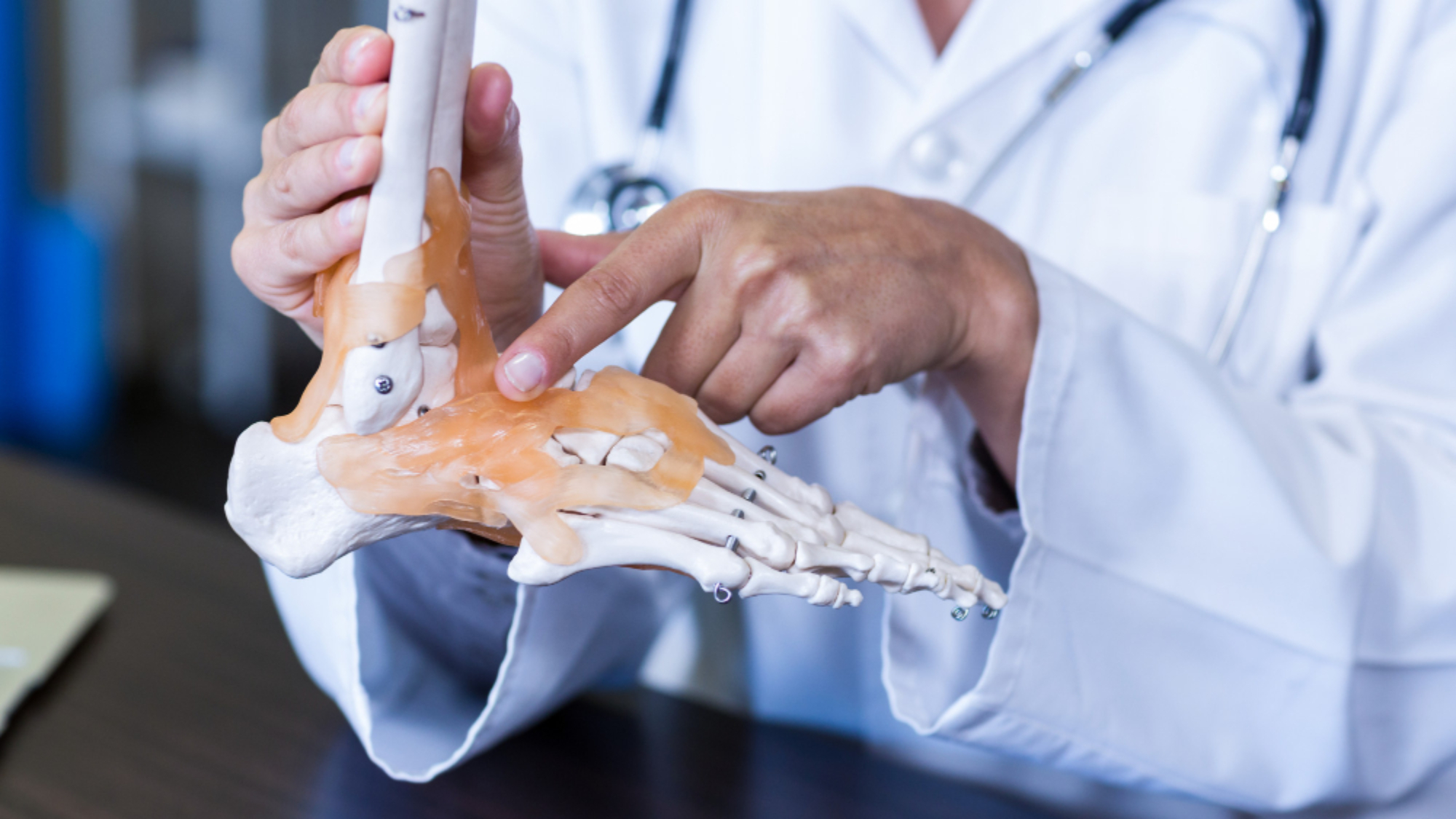
Sprains and strains are among the most frequent sports injuries. A sprain is the stretching or tearing of a ligament (the tissue connecting bones), while a strain involves injury to a muscle or tendon (the tissue that connects muscles to bones). These injuries often occur from sudden twists, falls, or overexertion during physical activity.
- Sprains: Sprains typically occur in the ankles, knees, and wrists, especially when an athlete lands awkwardly or during rapid directional changes.
- Strains: Strains often affect the hamstrings, lower back, and shoulders, and are common in sports that require running, jumping, or lifting.
Fractures
A fracture is a break in the bone, typically caused by high-impact trauma, falls, or overuse. These are common in contact sports like football, rugby, and hockey. Stress fractures, which occur from repetitive force or pressure, are also common in running, basketball, and gymnastics.
Tendinitis
Tendinitis is the inflammation of a tendon, usually caused by repetitive motion. It most commonly affects the shoulder, elbow (tennis elbow), and knee. Tendinitis is prevalent in sports that involve repetitive overhead motions, such as swimming, tennis, and baseball.
Dislocations
A dislocation occurs when a bone is forced out of its normal position in a joint. It commonly happens in sports like soccer, basketball, or wrestling, where players engage in physical contact or sudden movements that can force the joint to move out of place.
Concussions
A concussion is a mild traumatic brain injury that occurs when there is a blow to the head. Concussions are particularly common in contact sports like football, hockey, soccer, and boxing. Although many concussions are not life-threatening, they can cause long-term cognitive issues if not treated properly.
Knee Injuries
Knee injuries are frequent in sports that involve running, jumping, or pivoting. These injuries may include ligament tears (such as ACL or MCL tears) or cartilage damage, and they can result in long recovery times. Athletes in sports like basketball, football, soccer, and skiing are especially susceptible to knee injuries.
2. Tips to Prevent Sports Injuries
Fortunately, many sports injuries can be prevented with proper preparation, technique, and safety precautions. Here are several effective strategies to reduce the risk of injury:
1. Warm Up and Cool Down Properly
A good warm-up and cool-down routine is essential in preventing injuries. Warming up prepares the muscles and joints for the physical demands of exercise, increasing flexibility and reducing stiffness.
Warm-Up: A proper warm-up should last at least 5 to 10 minutes and should include dynamic stretches and light aerobic exercises to increase heart rate and muscle temperature. Some effective warm-up exercises include:
- Leg swings
- Arm circles
- Lunges
- Butt kicks
These exercises help improve flexibility and activate key muscle groups, reducing the likelihood of strains and sprains.
Cool-Down: Cooling down is just as important as warming up. After your workout or game, take 5 to 10 minutes to gradually reduce your heart rate and stretch your muscles. This helps reduce muscle soreness and increases flexibility. Static stretches, such as hamstring stretches, quadriceps stretches, and calf stretches, are highly beneficial during the cool-down phase.
2. Use Proper Equipment
Wearing the correct gear is critical in protecting yourself during sports. Whether it’s a helmet, knee pads, or proper footwear, having the right equipment can significantly reduce the risk of injury.
- Helmets: Wear a helmet when participating in contact sports like football, hockey, or cycling to protect your head from concussions and skull fractures.
- Knee and Elbow Pads: These are especially important for high-impact or contact sports like skateboarding, rollerblading, and soccer.
- Proper Footwear: Wear shoes that are appropriate for your specific sport. Running shoes, cleats, or specialized footwear provide the necessary support and cushioning for your feet, ankles, and knees.
- Braces and Supports: If you have a history of joint injuries or are recovering from a previous injury, wearing a brace or support can help stabilize the affected area and prevent further damage.
3. Stay Hydrated and Nourished
Dehydration and poor nutrition can significantly impair athletic performance and increase the risk of injury. Staying hydrated helps prevent muscle cramps, overheating, and fatigue, while a balanced diet supports muscle recovery and joint health.
- Drink water before, during, and after exercise to stay hydrated.
- Consume a well-rounded diet rich in lean proteins, whole grains, fruits, and vegetables. Ensure adequate intake of calcium and vitamin D to support bone health.
4. Strengthen Muscles and Improve Flexibility
One of the best ways to prevent sports injuries is by strengthening the muscles that support your joints and improving flexibility. Strength training helps to balance the muscles around a joint, preventing undue strain on ligaments and tendons.
- Strength training: Incorporate strength training exercises into your fitness routine to build muscle strength in key areas like the legs, core, and upper body. This can improve your performance and stability during sports.
- Flexibility exercises: Regular stretching, yoga, and Pilates can improve flexibility, which helps reduce muscle tension and prevent strains.
5. Practice Proper Technique
Using proper technique is essential for preventing sports injuries. Incorrect form can put unnecessary stress on your muscles, joints, and ligaments, increasing the likelihood of injury.
- Work with a coach or trainer to ensure that you are performing exercises and movements correctly.
- Practice good posture and alignment during activities, especially in sports that require repetitive motions, such as swimming, running, or tennis.
6. Take Rest and Recovery Seriously
Overtraining can lead to exhaustion, fatigue, and an increased risk of injury. It’s essential to listen to your body and give yourself time to rest and recover between intense activities.
- Get plenty of sleep each night to allow your muscles to recover and repair.
- Incorporate rest days into your routine, especially if you’re doing intense physical activities or playing contact sports.
7. Know Your Limits
Every athlete has physical limits, and pushing past them can result in injury. Know when to stop, whether it’s during a game, a workout, or a training session. Overexertion can lead to muscle strains, ligament tears, and even fractures.
- Don’t push yourself too hard, especially when you’re feeling fatigued.
- If you’re returning to sports after an injury, gradually increase the intensity of your workouts to avoid re-injury.
8. Stay Physically Fit
Maintaining a good overall level of physical fitness is a key factor in preventing injuries. When you’re physically fit, your body is better able to handle the demands of your sport.
- Regular aerobic exercise improves cardiovascular health, which supports endurance during sports.
- Strength training improves muscle strength and endurance.
- Flexibility exercises, like yoga, improve your range of motion and reduce muscle tightness.
3. When Injuries Do Occur: Injury Management and Recovery
While prevention strategies can significantly reduce the risk of injury, it’s important to understand that no method is foolproof. If an injury does occur, knowing how to manage it effectively can make a big difference in your recovery.
Rest and Ice
For minor injuries such as sprains or strains, applying ice to the affected area for 15-20 minutes every 1-2 hours during the first 48 hours can help reduce swelling and pain. It’s also important to rest the injured area to prevent further damage.
Compression and Elevation
Compression wraps and elevation can also help manage swelling. Compression wraps should not be too tight, as they could impair blood circulation, but they can help reduce inflammation. Elevating the injured area helps fluids drain away from the injury site.
See a Doctor
If the injury is severe, such as a fracture, dislocation, or suspected ligament tear, it is important to seek medical attention promptly. A healthcare professional can assess the injury, provide proper treatment, and guide you on rehabilitation.
Physical Therapy
Once the initial injury has healed, physical therapy may be necessary to regain full function. Physical therapists can guide you through exercises to rebuild strength, improve mobility, and prevent re-injury.
Conclusion
Sports injuries are an unfortunate part of any athletic activity, but they don’t have to be inevitable. By taking proactive steps to warm up properly, use the right equipment, strengthen muscles, practice good technique, and listen to your body, you can significantly reduce your risk of injury. In addition, if an injury does occur, proper management and recovery techniques, including rest, ice, compression, and physical therapy, can help you recover quickly and get back to enjoying your sport.
No matter your age or level of experience, adopting injury prevention strategies will allow you to remain active, healthy, and injury-free, helping you enjoy sports for years to come.

Add a Comment